
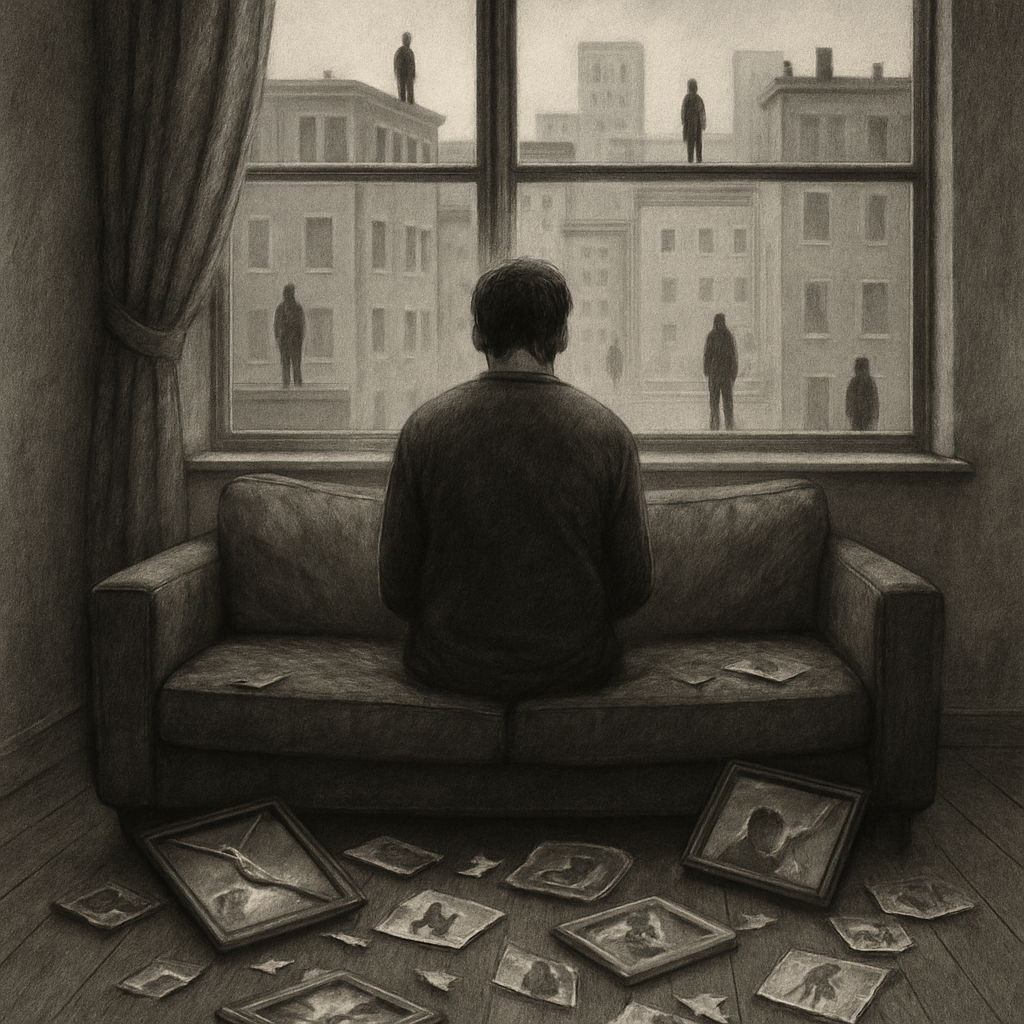
Why Life Stage Differences Can Kill Great Relationships (And When They Don’t)
Here’s something relationship experts won’t tell you: The biggest predictor of whether your relationship survives isn’t compatibility, communication, or even love. It’s whether you’re fighting the same emotional battles at the same time.
Most couples focus on surface-level differences—age gaps, career stages, financial stability. But the real killer is when partners occupy completely different emotional universes. One person’s nervous system might be in survival mode while the other’s is seeking growth and connection.
This creates an Emotional Frame misalignment. Your emotional frames (those invisible interpretive lenses shaped by your current life circumstances), determine not just what you notice, but what feels possible. When one partner’s frame is “keep my head above water” and the other’s is “let’s build something beautiful together,” interactions becomes a missed opportunity for connection.
Research consistently shows that couples succeed when they can synchronize their emotional rhythms. But here’s the catch: life stages often put us in fundamentally different emotional states, creating competing needs that feel impossible to bridge.
When Your Emotional Bytes Don’t Match
Think about emotional bytes as units of experience containing physical sensations, emotional charge, and meaning narratives. A person juggling graduate school, family stress, and financial pressure generates emotional bytes loaded with urgency, scarcity, and hypervigilance. Their older partner, established in their career and ready for deeper connection, produces bytes rich with openness, possibility, and emotional availability.
These different types of emotional bytes don’t just coexist peacefully. They clash. When your partner reaches for intimacy and your nervous system interprets it as one more demand on your already maxed-out resources, both people end up confused and hurt.
The person in survival mode isn’t choosing to be distant—their emotional scripts are literally prioritizing different needs. Their attachment system is saying “secure the basics first” while their partner’s is saying “let’s go deeper.”
The Three-Question Test for Life Stage Compatibility
Skip the relationship quizzes. Ask yourself these three things:
Can you respect where they are without needing them to change? If you find yourself constantly thinking “once they finish school” or “when things settle down,” then things will be fine. This means you’re dating potential, not reality.
Do your core emotional needs get met, even if differently than expected? Maybe they can’t offer daily deep conversations, but they show care through practical support. Research shows successful couples find multiple pathways to the same emotional destination.
Are you both moving in the same direction, even at different speeds? Mismatched timelines can work if you’re heading toward compatible visions of partnership. But if one person wants to build a life and the other wants to keep their options open indefinitely, no amount of love fixes that fundamental misalignment.
The Bottom Line
Life stage differences become relationship killers when they create permanent emotional disconnection. But when both people can acknowledge the temporary nature of intense life phases while maintaining some thread of connection to shared values and future vision, these differences often resolve naturally.
The key is developing meta-emotional intelligence—understanding not just what you’re feeling, but why your emotional systems are generating these particular responses. Sometimes the issue isn’t incompatibility; it’s that one person’s emotional resources are temporarily diverted elsewhere.
Some couples weather these storms beautifully. Others discover that timing really is everything, and love alone isn’t enough to bridge fundamentally different life realities.
Different stages, same destination—or just different destinations entirely?
Now if you’ll excuse me, I’m going to go water my perennial plants and contemplate the beautiful complexity of things that grow stronger through seasons of apparent dormancy.
– Sophia Rivera