
📹 The Invisible Invasion
The recording device sat on the desk, a small black rectangle with a red light that blinked like a mechanical heart. Around the table sat four men and two women, all staring at it with expressions ranging from anger to fear. Nobody spoke. The man who had brought it in stood by the window, arms crossed, eyes hard as nails.
It contained three months of secret conversations recorded in their department. Their words. Their complaints. Their jokes. Their lives. Without consent.
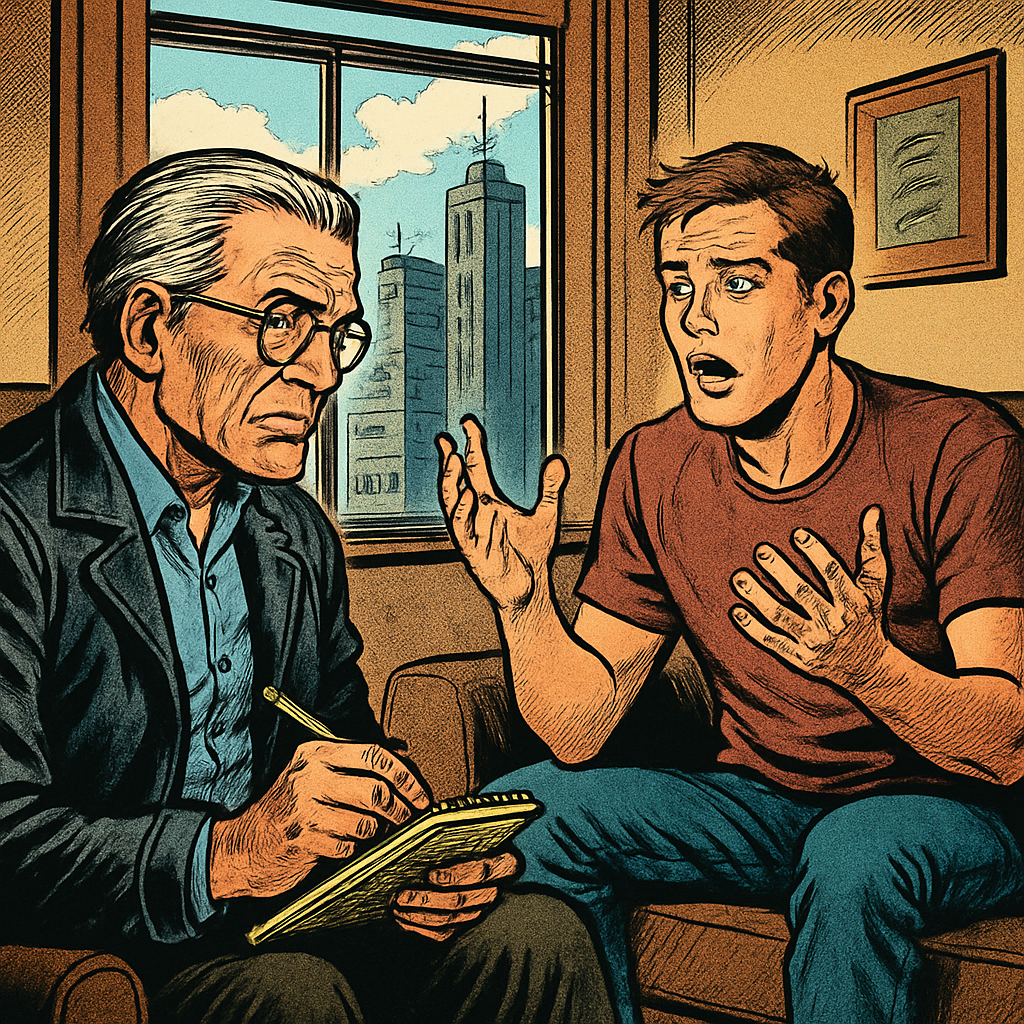
I remember Jensen. A quiet, competent guy who worked maintenance at a regional hospital. When he sat in my office that first day, his hands wouldn’t stop shaking.
“I don’t know what to do, Jas,” he said. “This shit is tearing our whole department apart.”
🎯 The Psychological Impact
There’s something uniquely violating about discovering you’ve been recorded without your knowledge. It’s not just about privacy—it’s about the fundamental human need for psychological ownership of your own experience. When someone secretly captures your words, they’re essentially stealing pieces of your identity.
Jensen described the fallout: “Everyone’s looking at each other sideways now. Nobody knows what was recorded or who’s heard it. We used to be tight, you know? Now it’s like walking through a minefield.”
What he was describing wasn’t just workplace drama. It was a classic emotional hijacking where trust had been shattered. When surveillance enters any environment, it fundamentally alters the psychological contract. Your body knows it before your mind does—that creeping sensation of being watched triggers ancient survival circuitry.
Here’s the truth most HR departments won’t acknowledge: once that surveillance anxiety activates, productivity is already compromised. 📉
⚖️ The Power Dynamic Problem
“My supervisor plays favorites,” Jensen told me in our third session. “The guy who did the recording? They go fishing together. I report this, and I’m the one who’ll end up with a target on my back.”
Jensen was caught in a classic double bind. His need for security and his need for justice were in direct conflict. Power dynamics don’t magically disappear because there’s a policy handbook.
I told him something that made him uncomfortable: “Your gut feeling that reporting this could make things worse isn’t weakness—it’s accurate pattern recognition.” 🧠
The hard reality is that organizational justice is often a myth. Research shows that workplace surveillance increases anxiety, and people with the least power suffer the most severe consequences, regardless of who violated the rules.
🔄 When Normal Disappears
“I just want things to go back to normal,” Jensen said in our fifth session. By then, the secret recordings had created factions in his department. People were whispering instead of talking. Taking lunch alone. Watching their words.
“Normal is gone,” I told him. “But you can build something better if you understand what’s really happening here.”
What was happening was a collective trauma response. Everyone’s attachment systems were firing simultaneously: some people withdrew, others became hypervigilant, while a few swung wildly between approaches. No one was operating from their secure base anymore.
This is what happens when environmental safety collapses. The emotions associated with “work” transform from neutral or positive to intensely threatening. And those feelings don’t just disappear when you clock out—they follow you home, disrupt your sleep, infect your relationships. 🏠💔
🎯 The Strategic Response
The turning point came when Jensen realized he couldn’t control the situation, but he could control his response to it. We focused on what I call “Controlled Disclosure”—a tactical approach to managing information and boundaries when operating in hostile territory.
“You can’t trust everyone, but you need allies,” I told him. “Identify the two people you trust most, and build a containment strategy together.” 🤝
Jensen chose carefully—a senior nurse and a fellow maintenance worker with strong reputations. Together, they approached HR as a unit rather than as an individual complainant, which shifted the power dynamic significantly. They framed the recording issue as a potential liability for patient confidentiality—elevating the problem from interpersonal drama to institutional risk.
💡 The Real Truth About Surveillance
Surveillance isn’t really about monitoring performance—it’s about power and control. The person recording Jensen’s team wasn’t gathering data; they were collecting ammunition. Understanding this distinction was critical to addressing the real problem, not just its symptoms.
I’ve made every mistake in the book myself. Earlier in my career, I once advised a client to “take the high road” and report similar behavior through official channels. He ended up labeled a troublemaker and was managed out within six months. That failure taught me more than any success could have. 📚
🌟 Finding Strength in Uncertainty
Jensen’s situation didn’t resolve neatly. The recorder received a minimal reprimand. Some team members left. But Jensen himself found something unexpected—a clarity about his own boundaries and values that hadn’t existed before.
“I actually sleep better now,” he told me in our final session. “Not because things are perfect, but because I know where I stand and what I will and won’t accept.” 😴✨
That’s strength in its truest form—not the absence of vulnerability, but the capacity to hold your ground even when standing on uncertain terrain.
Jas Mendola – Sometimes the most dangerous surveillance isn’t the camera in the corner, but the belief that you have something to hide from yourself. 🎭
- [PDF] Mental Health Consequences of Workplace Surveillance on …
- Workplace Surveillance and Worker Well-Being – PMC – NIH
- Electronically monitoring your employees? It’s impacting their mental …
- How Workplace Surveillance Impacts Job Performance | WorldatWork
- Workplace mental health screening: a systematic review and meta …
- The Psychological Effects of Workplace Surveillance – Proud Pen