
💔 When Your Ex Takes Your Friend (And Your Friend Takes Your Ex)
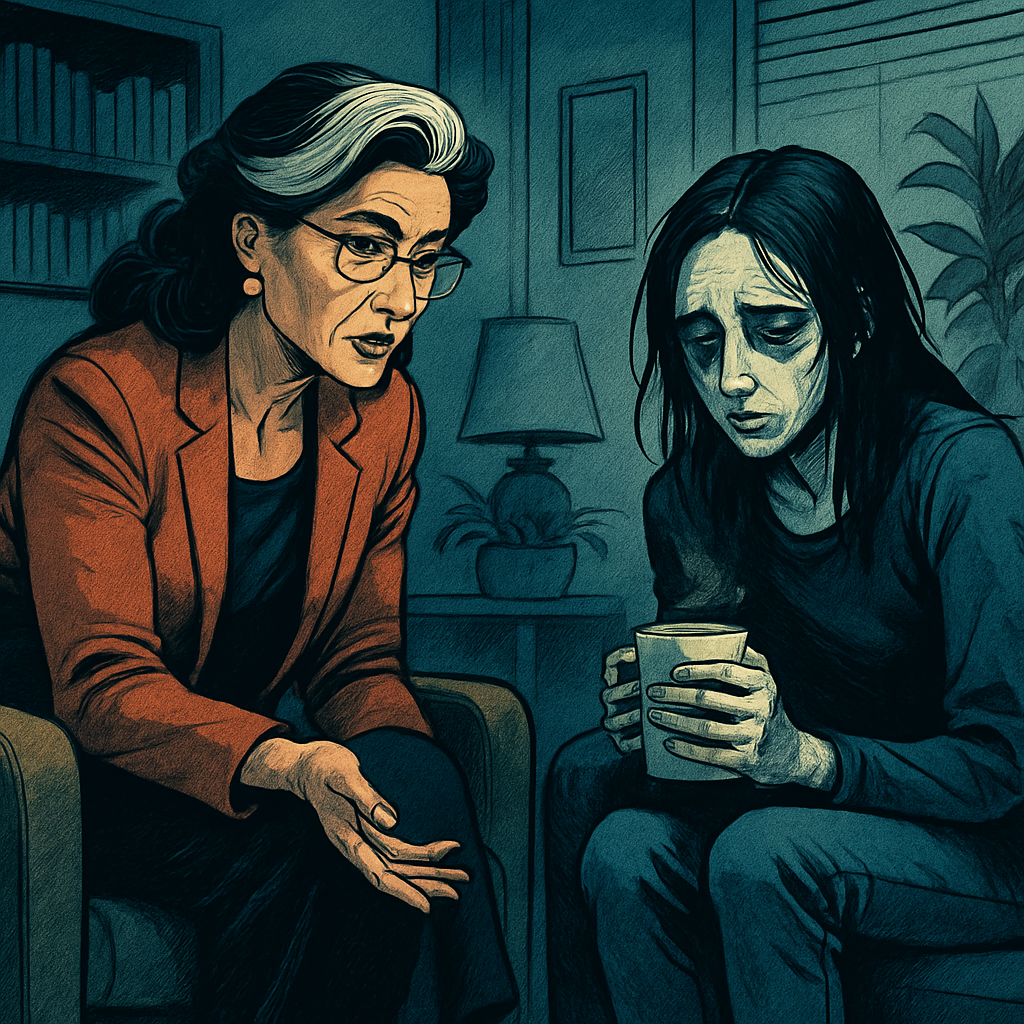
She was sitting in my office, skin drawn tight over her cheekbones, the weight loss obvious and worrying. Not the healthy kind you see after someone finds CrossFit, but the hollow-eyed emptiness that comes from food turning to ash in your mouth. Her hands trembled slightly as she clutched her coffee cup like a life preserver.
I remember Jodie because her case hit that perfect storm where betrayal, friendship, and love collide with the force of a Category 5 hurricane. 🌪️ The moment she walked in, I knew I was looking at someone whose entire social foundation had been blown apart.
“They expect me to be fine with it,” she said, voice cracking. “Like I should just show up for brunches and act normal while they hold hands across the table.”
The scenario was painfully common: boyfriend of two years breaks up with her, then three weeks later, he’s dating one of her closest friends. The friend – someone who had listened to her cry about the breakup – had called to “get permission” after they’d already hooked up. Classic move to ease guilt, not to actually respect boundaries.
“They keep saying they ‘didn’t mean for it to happen,'” she continued, making air quotes with trembling fingers. “Like that somehow makes it okay.”
🎯 The Real Problem: Emotional Byte Overload
Here’s what I noticed immediately about Jodie’s situation that most therapists miss: this wasn’t just about a breakup or a friendship ending. This was an emotional byte overload – where every memory, every shared joke, every intimate moment was suddenly corrupted with new meaning.
“So tell me,” I asked, leaning forward, “what pisses you off more – losing him or losing her?”
Her eyes widened at the directness. “Her,” she said without hesitation. “Him, I was already letting go. But she knew everything. She held my hand while I cried about him.”
Bingo. 🎯
🤐 The Hidden Rules Everyone Pretends Don’t Exist
There are invisible structures in friendships that nobody talks about until they’re broken. They’re not written down anywhere, but everyone feels the violation when they’re crossed.
“Everyone keeps telling me I don’t ‘own’ either of them,” she said, frustration evident. “Like I’m being possessive for having feelings about this.”
This is where most advice goes sideways. People treat friendship betrayals like they’re just about rational ownership rights rather than emotional contracts.
“You’re not claiming ownership,” I told her. “You’re recognizing that relationships have invisible boundaries that decent people respect.”
The problem with these invisible structures is that they’re easily denied by people who want to violate them. They’ll gaslight you with “we’re all adults” and “no one belongs to anyone” rhetoric while conveniently ignoring that trust and loyalty aren’t about possession – they’re about respect.
🕵️ Reading Between the Lines of Betrayal
Let me tell you what was really happening with Jodie’s “friends” that nobody was saying out loud:
“Your ex and your friend want your blessing not because they care about your feelings, but because they want to avoid feeling like the bad guys in their own story,” I explained. “They’re looking for emotional absolution, not showing genuine concern.”
The truth nobody talks about: when people who betray you want you to “be okay with it,” they’re not thinking about your healing. They’re trying to manage their own emotional scripts around being “good people” despite their actions.
Jodie’s eyes filled with tears, but they were different now – tears of recognition, not just pain. “That’s exactly it. They keep saying they want me to be part of their lives, but they’ve made no adjustments to make that actually possible.”
I’ve seen this pattern thousands of times in my practice. People who betray trust often deploy what I call “The Reasonable Person Defense” – they frame any emotional reaction beyond mild disappointment as unreasonable, thereby making your natural human response seem like the problem.
⚖️ The Recovery Protocol
“So what do I do?” Jodie asked. “Everyone acts like I should just get over it.”
“You’re not recovering from a breakup; you’re recovering from an identity earthquake where the ground beneath your feet shifted. That requires a different approach.”
The protocol I gave Jodie centered around what I call “The Boundary Reclamation Process”:
1. Stop seeking validation from those who violated your trust. Their opinion of your feelings or identity is irrelevant.
2. Recognize that emotional betrayal creates trauma responses – your weight loss, sleep issues, and anxiety aren’t “overreactions,” they’re natural physiological responses to attachment injury.
3. Rebuild your identity boundaries not around who you can trust, but around living out your own values and finding others who resonate with those values.
🌟 The Turning Point
What worked for Jodie wasn’t pretending to be okay with the situation. It was acknowledging that her needs hierarchy had been disrupted at multiple levels – her need for emotional safety, identity validation, and relational security had all been compromised at once.
“The turning point for me,” Jodie told me in our final session months later, “was when I stopped trying to maintain relationships that required me to minimize my own pain.”
Truth is, healing from betrayal doesn’t come from forgiveness on demand. It comes from rebuilding your emotional bytes around what safety and trust mean to YOU, not what others need from you to ease their guilt.
Sophia Rivera – The most profound recoveries don’t happen when you’re surrounded by gaslighters, but in those quiet moments when you give yourself permission to trust your own emotions. 🧭
- Study shows why people stay friends with their ex – YouTube
- [PDF] When Lovers Become Friends: Rules of Post-dissolutional Friendships
- Should You Stay Friends With an Ex? Here’s What Experts Say
- Making Sense and Moving On: The Potential for Individual and …
- Should You Be Friends With Your Ex? | Psychology Today
- 4 Signs That You Shouldn’t Be Friends With an Ex – Psychology Today